
In this article
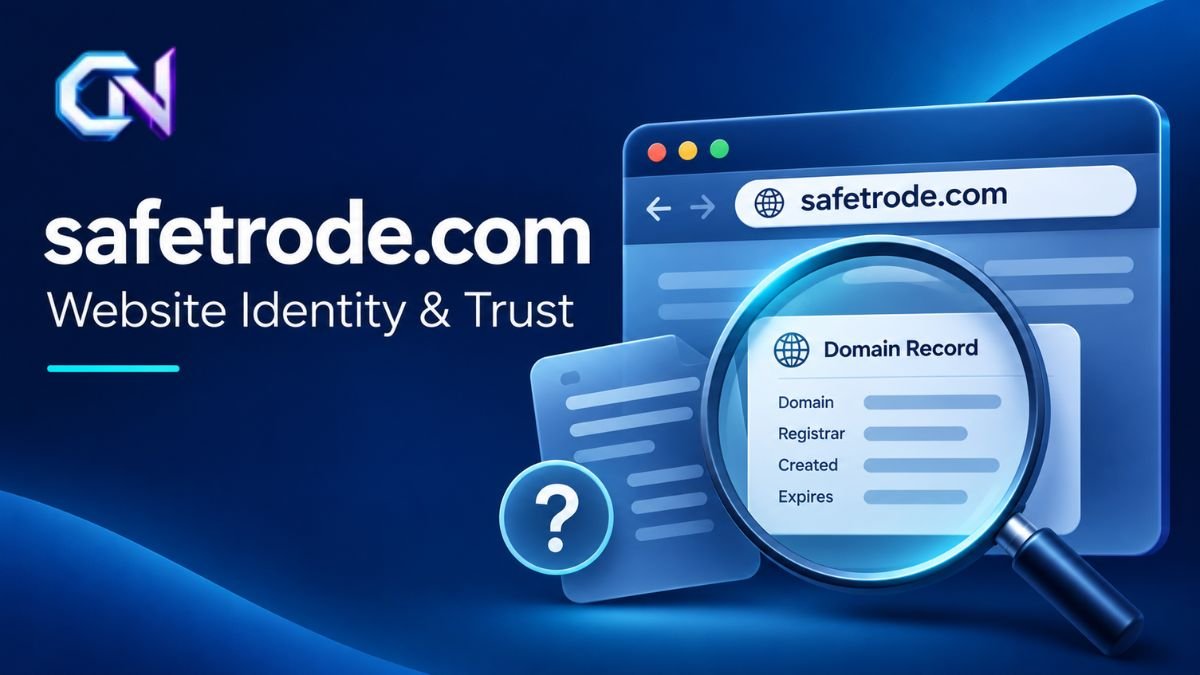
The identity, ownership and current purpose of safetrode.com remain unconfirmed. There is insufficient verified evidence to describe the address confidently as a particular company, publication, retailer or specialist service. Equally, that uncertainty does not establish that the website is fraudulent or unsafe.
For anyone trying to identify the site or decide whether to trust it, the distinction matters. A website’s business identity, the accuracy of its content and the security of a transaction are separate questions. Evidence supporting one does not automatically answer the others.
What can be established about safetrode.com?
A dependable profile would need evidence connecting the exact domain to its operator and explaining what that operator provides. Without that connection, attributing a business address, product catalogue, professional qualification or company history to the website would risk identifying the wrong organisation.
The following details remain unverified:
- The legal person or organisation operating the website.
- Its current business or editorial purpose.
- Any connection to a similarly named business.
- Any products, services, prices or delivery arrangements.
- Any professional accreditation or regulatory status.
These are limits on what can responsibly be stated, rather than findings of wrongdoing. They also mean that a detailed product review, company biography or recommendation would be premature.
A name appearing in a business listing is not, by itself, enough to establish who operates a particular web address. The missing element is a documented connection between the organisation and the exact domain.
What a domain lookup can tell you
ICANN provides a free registration-data lookup service. Its Registration Data Lookup Tool FAQs explain that the service retrieves publicly available information from domain registries and registrars using the Registration Data Access Protocol, or RDAP.
In plain English, this is a way to consult registration records rather than rely on a website’s description of itself. The information returned depends on what the relevant registry or registrar makes available.
There is an important limitation: a public lookup does not necessarily reveal the person or business behind a website. ICANN explains that some information may be unavailable or redacted under applicable policies and laws.
For safetrode.com, a lookup would therefore be one part of an identity check. It should not be presented as proof of a particular owner unless the returned information actually establishes that connection.
Private registration is not a fraud finding
ICANN’s guidance on privacy and proxy services distinguishes between two registration arrangements.
A privacy service substitutes alternative contact information for a customer’s personal contact details. A proxy service allows someone to use a domain while the proxy provider appears as the registered holder.
That distinction helps prevent a common misunderstanding. A service provider named in a registration record may not be the organisation publishing content or conducting business through the website.
Neither arrangement, on its own, settles whether a website is trustworthy. ICANN documents these as registration arrangements; its explanation does not establish that this particular domain uses either one.
What to check before sharing information or paying
There is no verified basis here for saying that the domain operates a shop or accepts payments. If a page or message using the name asks for money or personal information, however, the relevant checks concern the actual seller and transaction.
The US Federal Trade Commission’s online shopping guidance recommends examining sellers and products, consulting reviews critically and understanding the full cost and return terms before buying online. It warns that ratings and reviews can be misleading, including both positive and negative reviews.
The FTC also makes a useful distinction about HTTPS: it indicates an encrypted connection, not proof that a website is legitimate. An encrypted page does not independently verify the operator’s identity or promises.
Before submitting personal details, read the privacy policy and terms to understand how information will be used and shared. For a proposed purchase, establish the total price, delivery arrangements and refund conditions, and retain the transaction records.
These are general consumer checks, not evidence of a specific problem with this domain.
Is there enough evidence for a trust verdict?
A categorical verdict on safetrode.com would go beyond the verified information available. There is no substantiated basis here to endorse its operator, products or content, or to label the website a scam.
The useful next step is to establish the operator’s identity and its documented connection to the exact address. Until that connection is clear, claims about the website’s history, expertise or commercial offering should remain unconfirmed.



1 comment